The Critical Role of Butane Certification If you’re producing or distributing butane, compliance isn’t optional—it’s required. The EPA’s regulations (40 CFR Part 1090) mandate that every batch of certified butane is tested and documented before it can be sold or transferred. This certification ensures that the product meets strict purity, […]
Read MoreBlogs
Unlocking ASTM D7995: Rare Testing Capabilities at SPL’s Williston Lab
Moisture in your NGLs? Here’s the rare test that can find it – and quantify it. When it comes to specialty hydrocarbon testing, ASTM D7995 is a method that stands apart. This procedure uses a Karl Fischer Gas Analyzer to quantify trace levels of water in light hydrocarbons, reported in […]
Read MoreSPL’s Arlington Lab Expands Accredited Grease Testing Capabilities
Why You Should Reach Out to SPL for your Grease Testing Needs Formulate new grease, measure up to HPM certification standards, or compare your grease to another formulation. We’re proud to announce that SPL’s Arlington laboratory has recently received new ISO 17025 accreditations for multiple grease methods. This is a […]
Read MoreSummertime Sampling Success: Avoiding Common Pitfalls in Warm-Weather Testing
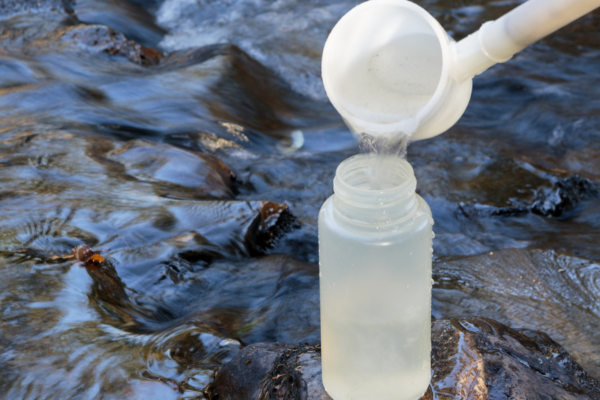
Summer brings longer days and often more sampling events—but it also brings higher risks of sample error. Rising temperatures, increased field activity, and longer transport windows can all lead to compromised data if best practices aren’t followed. At SPL, we partner with water and wastewater professionals to ensure your warm-weather […]
Read MoreWhat the NJ PFAS Settlement Means for TX Water Systems
New Jersey Just Secured $2.5B for PFAS Contamination—Texas Is Right Behind In recent months, New Jersey reached two historic settlements with PFAS manufacturers: These cases alleged decades of groundwater and natural resource contamination from PFAS used in manufacturing, firefighting foam, and consumer products. And the settlement money will be used […]
Read MoreThe Hidden Compounds Disrupting Your Treatment Plant
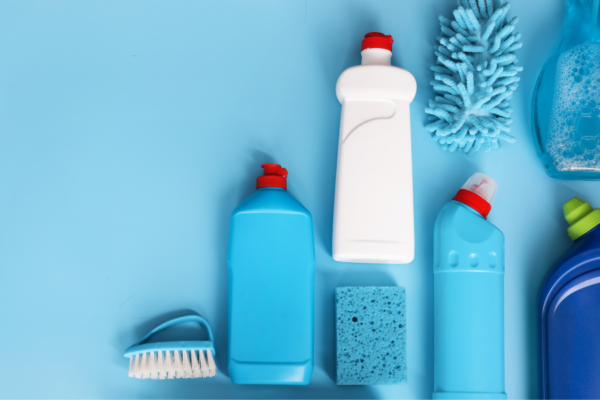
Over the past few years, the use of disinfectants and cleaning products has skyrocketed. From hospitals to home kitchens, quaternary ammonium compounds (QACs) are the active ingredient behind “99.9% germ-free” claims. But what happens when those chemicals go down the drain? They don’t just vanish. They end up in your […]
Read MoreSPL Scientists Published in Energy & Fuels on Hydrate Transportability and Flow Assurance
We’re proud to announce that SPL scientists Ahmad A. A. Majid, Ph.D., Jonathan J. Wylde, Ph.D., and Colton Asheim have been published in the peer-reviewed journal Energy & Fuels by the American Chemical Society. Their article, titled “Natural Gas Hydrate Transportability: Laboratory Testing Methods and Their Translation to a Field […]
Read MoreEPA Reaffirms PFAS Limits for PFOA and PFOS, Signals Shift on Other Compounds
TLDR Summary: The EPA, under Administrator Lee Zeldin, has announced it will uphold the national drinking water limits for PFOA and PFOS—two of the most studied and dangerous PFAS chemicals—while proposing to rescind and reconsider limits for GenX, PFNA, PFHxS, and the PFAS Hazard Index mixture. The agency will also […]
Read MoreEPA Releases 2025 PFAS Action Plan: What Utilities, Industries, and Environmental Stakeholders Need to Know
At a Glance: On April 28, 2025, the U.S. Environmental Protection Agency (EPA) announced a new wave of initiatives aimed at tackling PFAS contamination across the country. These “forever chemicals” have long been a growing concern for environmental and public health. This latest announcement signals a strong continuation of the […]
Read MoreThe Great Fluoride Debate
What’s Really in Your Water – And Should It Stay There? If you’ve ever wondered what’s flowing from your faucet besides H₂O, you’re not alone. From TikTok threads to town hall meetings, one tiny ion is stirring up some serious waves: fluoride. Once hailed as a public health miracle, fluoride is […]
Read More